Forklift Training On-Site Custom: Tailored Safety Training for Your Equipment, Facility, and Team
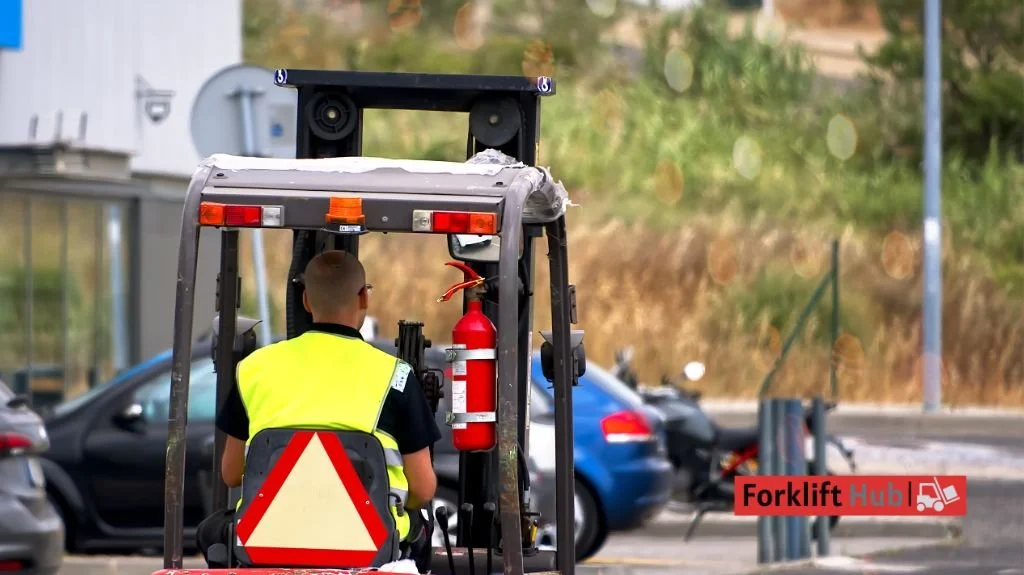
Forklift training is a critical part of workplace safety, but not all training programs deliver the same results. Generic, off-site courses often fail to reflect the real equipment, layouts, and hazards operators face every day. Forklift training on-site custom programs solve this problem by delivering hands-on instruction tailored to your facility, your forklifts, and your team. A customized training approach can help operators build safer habits, improve confidence, and meet training requirements more effectively.
What’s Included in a Custom On-Site Forklift Training Program?
New Operator Forklift Training: Setting the Foundation for Safe Operation
To learn more about forklift training on-site custom programs or to schedule training for your team, contact ForkliftHub today and speak with an expert about a solution tailored to your workplace.
Key Takeaways
Custom on-site forklift training is tailored to your facility, equipment, and workflows, making it more practical and effective than generic programs.
Training takes place in the real work environment, allowing operators to practice safely with the forklifts and loads they use daily.
New operators benefit from hands-on, facility-specific instruction that builds confidence and develops safe habits from day one.
Experienced operators benefit from refresher training that reinforces proper techniques, updates them on changes, and addresses unsafe behaviours.
Operators must be trained on the specific class of forklift they will operate to ensure safety and regulatory compliance.
Custom on-site training reduces the risk of accidents, product or equipment damage, and insurance claims.
Training improves operator confidence, productivity, and overall workplace safety culture.
This type of program is ideal for warehouses, manufacturing facilities, construction sites, and any organization with multiple forklift types or unique site hazards.
Forklift Training On-Site Custom
1. What Is Forklift Training On-Site Custom?
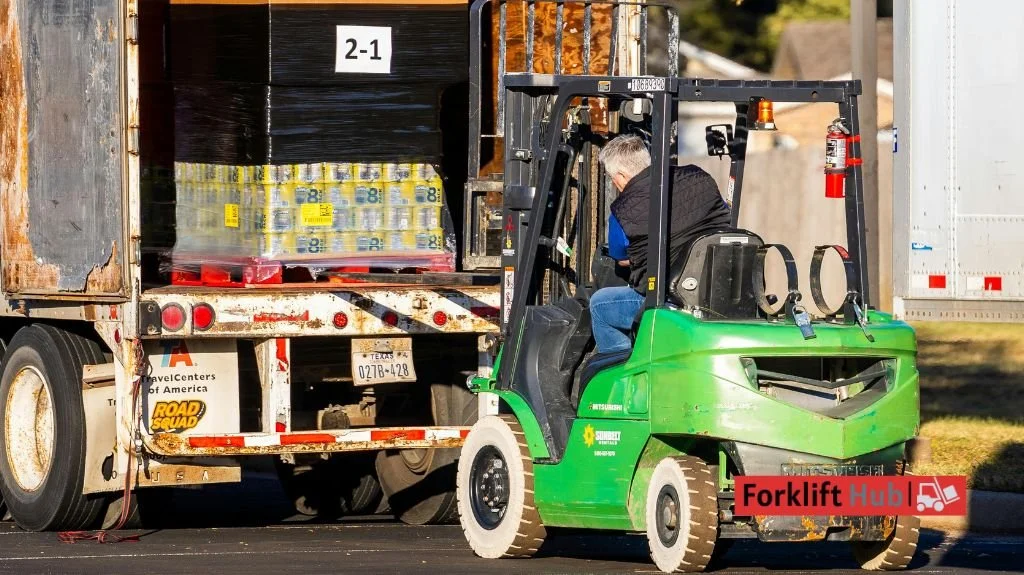
Forklift training on-site custom is a tailored approach to operator training that is designed around a specific workplace rather than a generic classroom environment. Instead of delivering standardized instruction that may not reflect day-to-day operations, custom on-site training focuses on how forklifts are actually used within a facility, helping operators learn safer and more practical operating techniques.
How Custom On-Site Training Works
Custom on-site forklift training is built around the employer’s unique equipment, workflows, and safety challenges. This approach allows training to directly address real-world conditions that operators encounter every day. Key elements of custom on-site training include:
Training is conducted at the employer’s facility, allowing operators to learn in the same environment where they work.
Instruction is delivered using the actual forklifts that operators will be required to operate.
Loads, racking, aisles, dock areas, and pedestrian traffic patterns are incorporated into the training process.
Site-specific hazards and operational risks are identified and addressed during both classroom and hands-on instruction.
By focusing on these real conditions, operators gain a clearer understanding of how safe forklift operation applies directly to their roles.
How It Differs from Classroom-Only or Off-Site Training
While classroom-only or off-site forklift training programs can provide general safety knowledge, they often lack practical relevance to a specific workplace. Custom on-site forklift training differs in several important ways. These differences help ensure that training is more effective and immediately applicable. Key distinctions include:
Classroom-only programs focus on general concepts rather than site-specific risks and workflows.
Off-site training typically uses generic equipment that may differ from what operators use on the job.
Custom on-site training combines theory with hands-on practice in the actual work environment.
Training scenarios are based on real tasks, not simulated or hypothetical situations.
This customized approach results in stronger knowledge retention, improved operator confidence, and safer performance on the job.
In summary, forklift training on-site custom programs provide a practical, facility-focused training solution that aligns safety instruction with real equipment, real loads, and real operating conditions, making them a more effective option for employers and operators alike.
2. Key Benefits of Custom On-Site Forklift Training
The chart below highlights the key benefits of custom on-site forklift training, showing how it outperforms generic training in areas like safety, operator confidence, and operational efficiency."
Custom on-site forklift training provides clear advantages over generic programs by tailoring instruction to the realities of a specific workplace. Training in the actual environment helps operators develop safer habits, improve efficiency, and ensure compliance with regulations.
Safety and Risk Reduction Benefits
Training on-site allows operators to practice in the same conditions they encounter every day, which directly improves workplace safety. Key safety-related benefits include:
Operators work in real conditions, which improves overall safety and reduces the risk of accidents.
Site-specific hazards, such as tight aisles, pedestrian areas, and loading docks, are directly addressed during training.
Proper handling techniques are reinforced, reducing the likelihood of damage to racking, products, and equipment.
By focusing on these real-world conditions, employers can significantly decrease workplace incidents and associated costs.
Operational and Compliance Advantages
Custom on-site training also provides operational efficiencies and helps employers meet regulatory requirements. Key operational benefits include:
Operators gain confidence and improve productivity because they are trained on the forklifts and layouts they use daily.
Compliance with regulatory and insurance requirements is easier because training is documented and tailored to the workplace.
On-site training causes minimal disruption to operations, as employees remain in their own facility and training schedules can be adjusted around production needs.
These advantages make custom on-site forklift training a practical, effective, and cost-efficient solution for any workplace.
3. What’s Included in a Custom On-Site Forklift Training Program
The pie chart below illustrates how a typical custom on-site forklift training session is structured, including the time spent on theory, hands-on practice, and practical evaluation.
A custom on-site forklift training program is designed to cover both the theory and practical skills that operators need to work safely and efficiently. The program is tailored to your facility, your forklifts, and the specific tasks your operators perform every day.
Site-Specific Hazard Assessment
The first step in a custom program is understanding the unique risks in your workplace. This ensures training addresses the hazards operators are most likely to encounter. Key elements include:
Trainers evaluate the facility layout, including aisles, storage areas, docks, and pedestrian zones.
Potential hazards that are unique to the site are identified and explained to operators.
Recommendations are made to reduce risks and improve safety during daily operations.
By starting with a thorough hazard assessment, the program ensures that operators learn how to navigate real-world conditions safely.
Forklift Theory and Safety Fundamentals
Custom training also covers the essential knowledge that every forklift operator must have. This section provides a foundation for safe and efficient operation. Key components include:
Operators learn about load capacity, stability, and the proper handling of materials.
Pre-shift inspections and maintenance checks are taught to prevent equipment failures.
Safety practices, including pedestrian awareness and communication, are emphasized throughout the program.
This theoretical foundation supports safe behaviour when operators move on to hands-on training in the workplace.
Hands-On Equipment Training
Practical, hands-on experience is a critical component of custom on-site training. Operators train using the same equipment they will operate every day. Key features include:
Instruction is conducted on the actual forklifts used in the facility.
Operators practice common tasks such as loading, unloading, stacking, and navigating aisles under supervision.
Trainers provide immediate feedback and correction to ensure proper techniques are applied.
Hands-on training reinforces the lessons learned in theory and helps operators build confidence.
Facility-Based Practical Evaluation
Evaluation ensures that operators can perform their tasks safely and efficiently in real conditions. Key aspects include:
Operators are assessed performing the tasks they will encounter in their daily work.
Performance is evaluated based on safety, accuracy, and efficiency.
Any areas needing improvement are identified, and additional coaching is provided.
This evaluation confirms that operators are competent and ready to work safely in the facility.
Documentation and Certification
Finally, all training is documented to meet regulatory and employer requirements. This step ensures that operators and companies have a verifiable record of training. Key points include:
Certificates of completion are provided for each operator.
Detailed training records are maintained for compliance purposes.
Documentation can be used to demonstrate adherence to safety regulations and insurance requirements.
Proper documentation protects both operators and employers while supporting ongoing safety efforts.
In summary, a custom on-site forklift training program combines hazard assessment, theory, hands-on practice, evaluation, and documentation to create a comprehensive, practical, and facility-specific training experience.
4. Training by Forklift Class: Why It Matters

Forklift training must be specific to the type, or class, of equipment an operator will use. Each class of forklift has unique controls, capabilities, and handling characteristics, which means that training on one type does not automatically qualify an operator to use another. Custom on-site training ensures that operators receive instruction on the exact forklifts they will operate in their workplace.
Understanding Forklift Classes
Operators must be trained on the correct class of forklift to ensure safety and compliance. Key points include:
Counterbalance forklifts, reach trucks, pallet jacks, and rough-terrain forklifts all have different controls and operating techniques that must be learned.
Operators who are only trained on one class of forklift may lack the knowledge to safely operate another class.
Custom on-site programs ensure that each operator receives training specific to the forklifts they will use on the job.
Why Class-Specific Training Matters
Proper training reduces accidents and improves efficiency. Key benefits include:
Operators gain confidence because they are familiar with the controls and handling of their specific equipment.
Training reduces the risk of damage to products, racking, and the forklift itself.
Compliance with safety regulations is maintained by ensuring operators are certified for the class of forklift they actually use.
By focusing on the specific class of forklift, custom on-site training creates operators who are competent, confident, and safe in their daily tasks.
5. New Operator Forklift Training: Setting the Foundation for Safe Operation
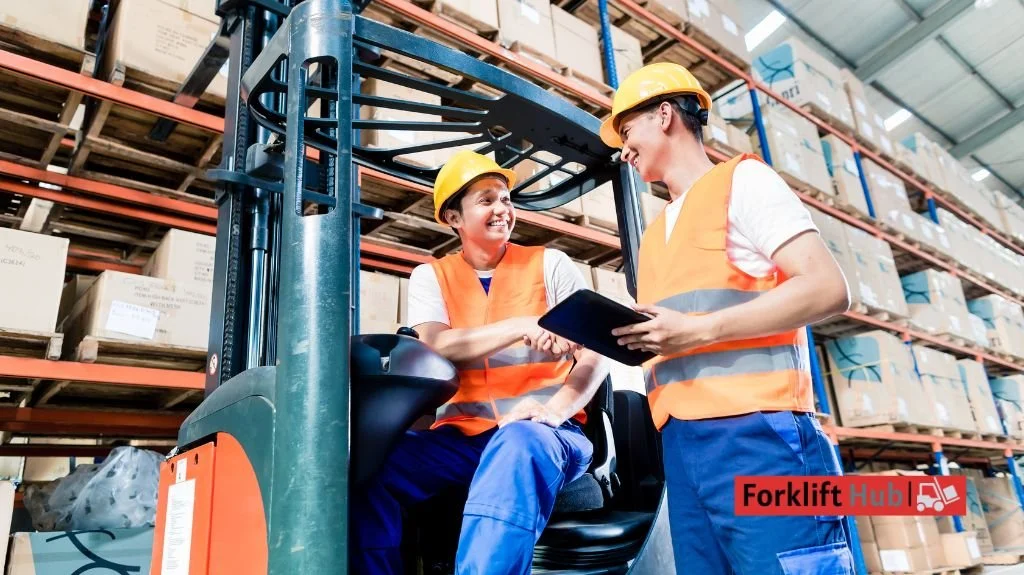
New operators need comprehensive training to develop safe habits and confidence from day one. Custom on-site programs ensure that new employees learn in the environment where they will actually be working, which makes the training more practical and effective.
Key Components of New Operator Training
New operator training covers both theory and hands-on practice to prepare employees for real-world tasks. Key elements include:
Operators are taught the fundamentals of forklift operation, including load handling, stability, and pre-shift inspections.
Hands-on training is conducted using the forklifts and layouts that operators will use daily in their facility.
Operators learn to identify and avoid site-specific hazards such as tight aisles, pedestrian traffic, and loading docks.
Practical evaluations confirm that operators can safely perform the tasks required in their role.
By providing training in the actual work environment, new operators gain confidence and develop safe habits that reduce the risk of incidents.
6. Forklift Refresher Training: Maintaining Skills and Safety
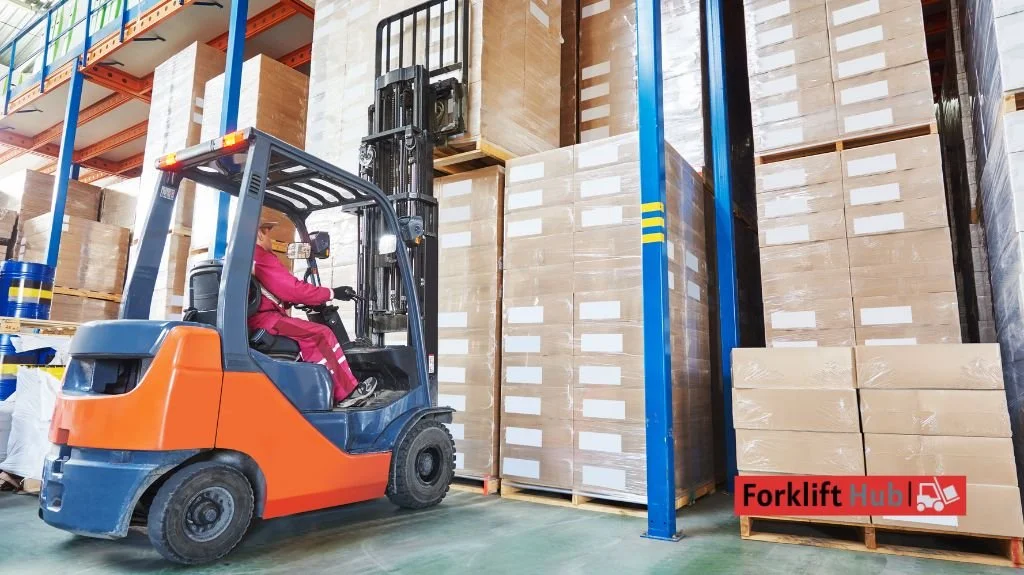
Even experienced operators benefit from refresher training to reinforce safe practices and address changes in equipment, procedures, or regulations. Custom on-site refresher programs are designed to target real challenges observed in the workplace.
When Refresher Training Is Needed
Refresher training ensures operators maintain high safety standards over time. Common reasons for refresher training include:
Operators have been involved in or witnessed a near-miss or accident.
Operators are returning to work after an extended absence or a long period without operating a forklift.
Changes to the facility, workflows, or equipment introduce new hazards that require updated training.
Regulatory or insurance requirements mandate periodic retraining for certification renewal.
Benefits of Refresher Training
Regular refresher training reinforces safe habits and minimizes workplace risks. Key benefits include:
Operators are reminded of proper techniques and safety procedures that may have lapsed over time.
Unsafe behaviours or habits are corrected before they lead to incidents or damage.
Training keeps operators up to date with any new equipment, processes, or regulatory requirements.
Refresher programs strengthen the overall safety culture within the facility.
Custom on-site refresher training ensures that all operators, regardless of experience, continue to operate safely, efficiently, and confidently in their actual work environment.
7. Who Is Custom On-Site Forklift Training Best Suited For
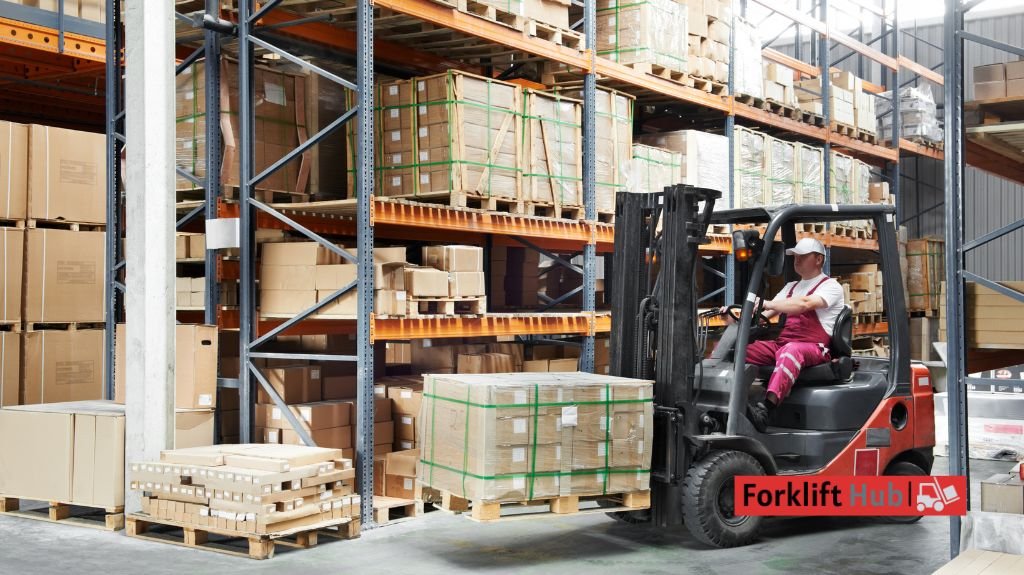
Custom on-site forklift training is ideal for any organization that wants to improve safety, reduce incidents, and ensure operators are fully prepared for the specific conditions of their workplace. Because the training is tailored to the facility, equipment, and workflow, it provides maximum relevance and effectiveness for a wide range of businesses.
Ideal Workplaces and Situations
Custom on-site training is particularly well-suited for the following situations and workplaces:
Warehouses and distribution centers that handle high volumes of inventory require precise forklift operation.
Manufacturing facilities where forklifts are used to move raw materials, components, and finished products.
Construction sites or outdoor facilities where terrain, weather, and environmental conditions create unique operating challenges.
Companies with multiple types or classes of forklifts require class-specific training and certification.
Employers are onboarding new operators who need hands-on experience in their actual work environment.
Organizations are looking to reduce incidents, equipment damage, and insurance claims through targeted, site-specific training.
By focusing on the specific needs of the workplace, custom on-site forklift training ensures that operators are prepared to handle the exact equipment, tasks, and hazards they will encounter each day, making it a practical solution for nearly any operation that uses forklifts.
Invest in Training That Matches Your Workplace: Contact Forklifthub.

Custom on-site forklift training provides a practical, effective, and safe approach to operator education. By tailoring instruction to your facility, equipment, and workflows, employers can ensure that new and experienced operators alike are fully prepared to work safely and efficiently.
This type of training improves safety, reduces equipment damage, increases operator confidence, and helps organizations maintain compliance with regulatory and insurance requirements. Whether you are onboarding new employees or providing refresher training for experienced operators, custom on-site programs offer measurable benefits that directly impact your workplace.
To ensure your team receives training that is relevant, practical, and fully tailored to your operations, contact ForkliftHub today to discuss custom on-site forklift training solutions for your facility.
*Disclaimer
This post is intended for informational purposes only and does not constitute legal or professional advice. Forklift certification requirements may vary by province, employer, and specific job site regulations. Always consult with your employer, local regulatory authorities, or a certified training provider to ensure compliance with current safety standards and legal requirements. ForkliftHub is not responsible for any liability or damages resulting from the use of this information.