The Types Of Forklift Certifications

Operating a forklift safely starts with having the right certification for the exact type of equipment you’ll be using. Forklift training is not one-size-fits-all. Every class of forklift has its own controls, handling characteristics, and safety considerations.
That’s why, if you change jobs or move into a new role that requires operating a different class of forklift, you must complete training specific to that truck type to stay compliant and safe on the job.
In this guide, we break down the types of forklift certifications, what makes each class unique, and the training options available for new, experienced, and transitioning operators.
1. Why Forklift Certification Is Class-Specific
2. The Types of Forklift Certifications (By Forklift Class)
3. Training Types: What Operators Need to Stay Certified
4. Final Tips for Choosing the Right Forklift Certification
Contact Forklift Hub today for all your forklift training and certification needs.
Key Takeaways
Forklift certification is class-specific, and operators must be trained on the exact type of forklift they will use.
Each forklift class has unique controls, stability, and operating challenges, from indoor electric rider trucks to rough terrain telehandlers.
New Operator Training is for novices and includes classroom instruction, hands-on practice, and evaluations.
Refresher Training helps maintain skills, update knowledge, and address safety concerns every 3 years or as needed.
Conversion Training is required when an operator moves to a new forklift class to ensure safe and competent operation.
Employers must comply with OSHA/CSA standards by providing proper training, evaluations, and record-keeping for all forklift operators.
Choosing the right certification involves matching the training to the forklift class, using accredited trainers, and keeping thorough records.
Proper certification improves safety, productivity, and career opportunities while reducing workplace accidents and equipment damage.
The Types of Forklift Certifications
1. Why Forklift Certification Is Class-Specific

Forklift certification isn’t universal because every class of forklift operates differently and presents its own safety challenges. Even experienced operators need training on each distinct forklift class to ensure they can handle its unique controls, stability features, and operating conditions.
Each Forklift Class Operates Differently
Every forklift class is built for a specific purpose, and those design differences affect how the equipment handles, turns, lifts, and moves. Before reviewing the individual classes, it’s important to understand the factors that make class-specific training essential.
Here are the key ways forklift classes vary:
Each class has different controls and operating systems that change how the forklift responds.
Each class has unique stability characteristics, including different centre-of-gravity behaviour and tip-over risks.
Each class has a different turning radius that can affect maneuvering in tight or open environments.
Each class is designed for specific operating environments such as warehouses, loading docks, outdoor yards, or rough terrain.
These operational differences mean a certification for one forklift class cannot safely or legally transfer to another.
Certification Requirements Under OSHA/CSA Standards
Employers must comply with strict safety standards that require operators to be trained and evaluated on the exact type of forklift they will use. These regulations are designed to reduce accidents, ensure competency, and promote safe material handling practices in the workplace.
Below are the key responsibilities employers must follow under OSHA/CSA rules:
Employers must ensure every operator is trained on the specific class of forklift used in their job.
Employers must provide additional training whenever an operator switches to a new forklift type or when workplace conditions change.
Employers must conduct evaluations to verify that operators can safely use each forklift type assigned to them.
Employers must maintain records of operator training, evaluations, and recertification.
Meeting these requirements helps employers stay compliant while creating a safer workplace for everyone.
In short, forklift certification is class-specific because each type of truck behaves differently and must be handled with the proper skills and training to keep operators and workplaces safe.
2. The Types of Forklift Certifications (By Forklift Class)
Understanding the types of forklift certifications is essential because each class of forklift operates differently and presents unique safety challenges. Operators must be trained and certified specifically for the class of equipment they will use. The following section outlines each forklift class, what it is designed for, and the challenges operators need to be trained to handle.
| Forklift Class | Typical Environment | Key Challenges |
|---|---|---|
| Class 1: Electric Motor Rider | Indoor warehouses | Quiet operation, battery maintenance, load shift risk |
| Class 2: Electric Motor Narrow Aisle | Tight warehouse aisles | High lift heights, precision handling, tip-over risk |
| Class 3: Hand/Hand-Rider Trucks | Indoor short-distance movement | Tight turning radius, foot-injury risks, limited visibility |
| Class 4: IC Trucks (Cushion Tires) | Indoor smooth floors | Exhaust emissions, fuel handling, pedestrian safety |
| Class 5: IC Trucks (Pneumatic Tires) | Outdoor yards and docks | Uneven terrain, weather exposure, large load capacity |
| Class 6: Electric/IC Tractors | Manufacturing plants, airports | Towing long/heavy trains, trailer swing, visibility |
| Class 7: Rough Terrain | Construction sites, farms, outdoor uneven terrain | Extreme terrain, heavy loads, boom stability, tip-over risk |
Class 1: Electric Motor Rider Trucks
Class 1 forklifts are electric-powered rider trucks available in both sit-down and stand-up models. They are most commonly used indoors due to their quiet operation and zero emissions.
Below are the primary operational challenges Class 1 operators must be trained for:
Class 1 forklifts operate very quietly, meaning pedestrians may not hear them approaching.
Class 1 forklifts require proper battery charging and maintenance to operate safely.
Class 1 forklifts accelerate smoothly, which can cause loads to shift if operators are not careful.
Understanding these handling characteristics helps operators use Class 1 trucks safely in busy indoor environments.
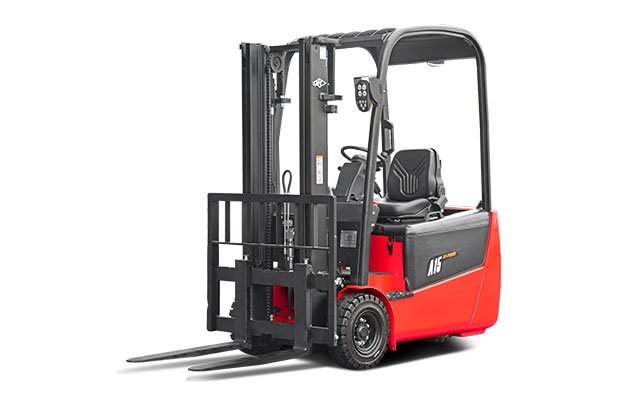
*Image by Hangcha Canada
Class 2: Electric Motor Narrow Aisle Trucks
Class 2 forklifts include reach trucks, turret trucks, and order pickers designed for high-density warehouses with tight aisles. Their specialized design improves storage efficiency but requires advanced handling skills.
Here are the key challenges associated with Class 2 equipment:
Class 2 forklifts typically operate at higher lift heights, requiring excellent load control.
Class 2 forklifts must be maneuvered precisely in very narrow aisles.
Class 2 forklifts can be at increased risk of tip-over if operators lack proper training.
Proper certification ensures operators can safely handle these trucks in confined warehouse spaces.

*Image by Hangcha Canada
Class 3: Electric Motor Hand Trucks / Hand-Rider Trucks
Class 3 equipment includes pallet jacks, walkie stackers, and other hand-controlled units. These are common in warehouses, retail stores, and distribution centers and are often used for short-distance load movement.
Below are important challenges that Class 3 operators must learn to manage:
Class 3 operators walk beside or behind the unit, increasing the risk of foot injuries.
Class 3 trucks have very tight turning capabilities that require careful control.
Class 3 equipment may limit visibility when moving loads, requiring added awareness.
Even though these units are smaller, they still require proper training to operate safely.
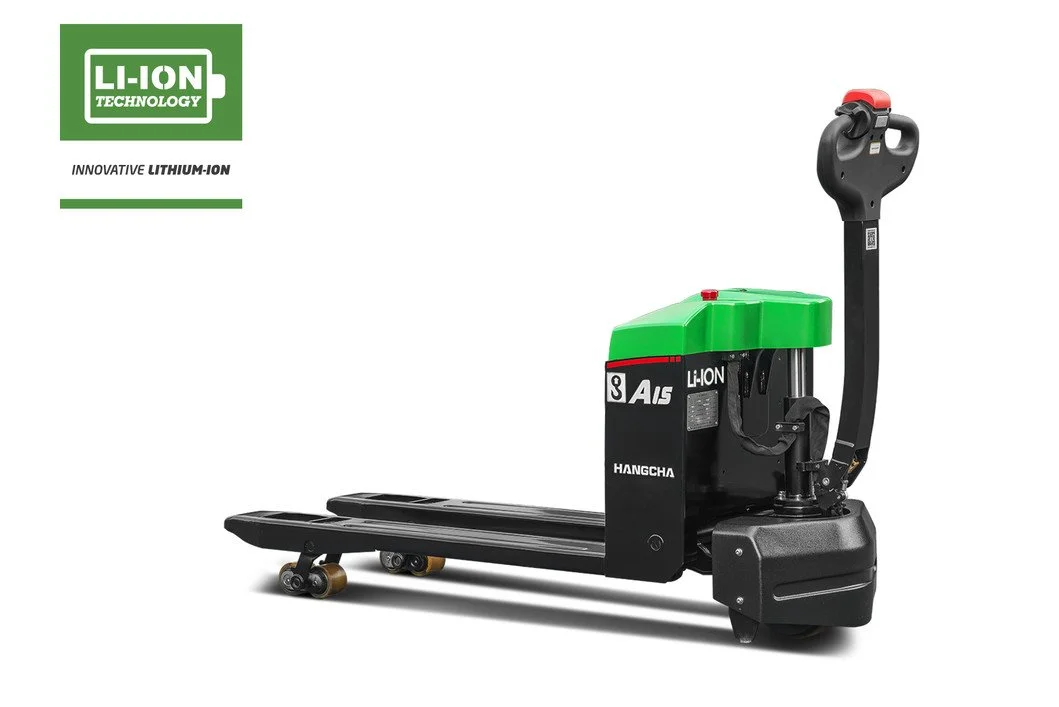
*Image by Hangcha Canada
Class 4: Internal Combustion Engine Trucks (Cushion Tires)
Class 4 forklifts are powered by internal combustion engines and equipped with cushion tires. They are ideal for indoor environments with smooth floors, such as warehouses and manufacturing facilities.
Here are the key operating challenges associated with Class 4 trucks:
Class 4 forklifts produce exhaust emissions, requiring good ventilation indoors.
Class 4 forklifts demand precise turning control due to their tire design and weight distribution.
Class 4 forklifts require safe handling of fuel sources such as propane or gasoline.
Class 4 forklifts often operate near pedestrians inside facilities, increasing safety risks.
Training ensures operators understand both the benefits and hazards of using Class 4 equipment indoors.
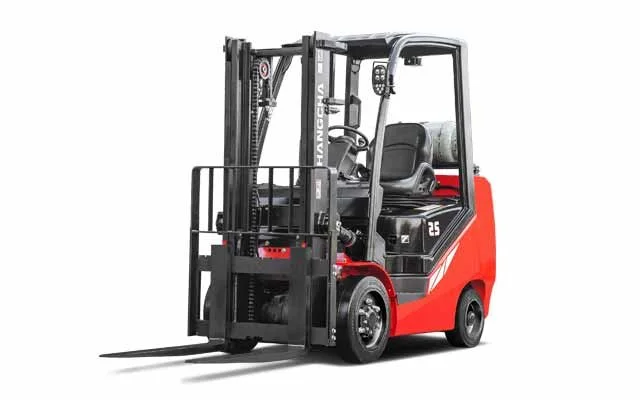
*Image by Hangcha Canada
Class 5: Internal Combustion Engine Trucks (Pneumatic Tires)
Class 5 forklifts are among the most common outdoor forklifts. With pneumatic tires and powerful IC (internal combustion) engines, they are designed for yards, loading docks, and rugged outdoor job sites.
Below are the challenges Class 5 operators must be equipped to handle:
Class 5 forklifts must operate safely on uneven or rough terrain.
Class 5 forklifts may be exposed to weather conditions that impact traction and stability.
Class 5 forklifts often carry heavier loads, requiring strict load management.
Class 5 forklifts have longer stopping distances due to outdoor surfaces and larger capacities.
Certification prepares operators to safely handle outdoor environments and heavy-load applications.

*Image by Hangcha Canada
Class 6 — Electric & Internal Combustion Engine Tractors
Class 6 equipment includes tow tractors used in manufacturing plants, airports, and large facilities where they pull carts or trailers instead of lifting loads.
Here are the main challenges associated with Class 6 tractors:
Class 6 tractors may tow long or heavy load trains that require careful control.
Class 6 operators must maintain excellent visibility when pulling multiple carts.
Class 6 equipment has longer stopping distances when towing heavy loads.
Class 6 tractors can experience trailer swing during turns if not handled correctly.
Training ensures operators understand the dynamics of towing and can maintain safe operation in busy facilities.
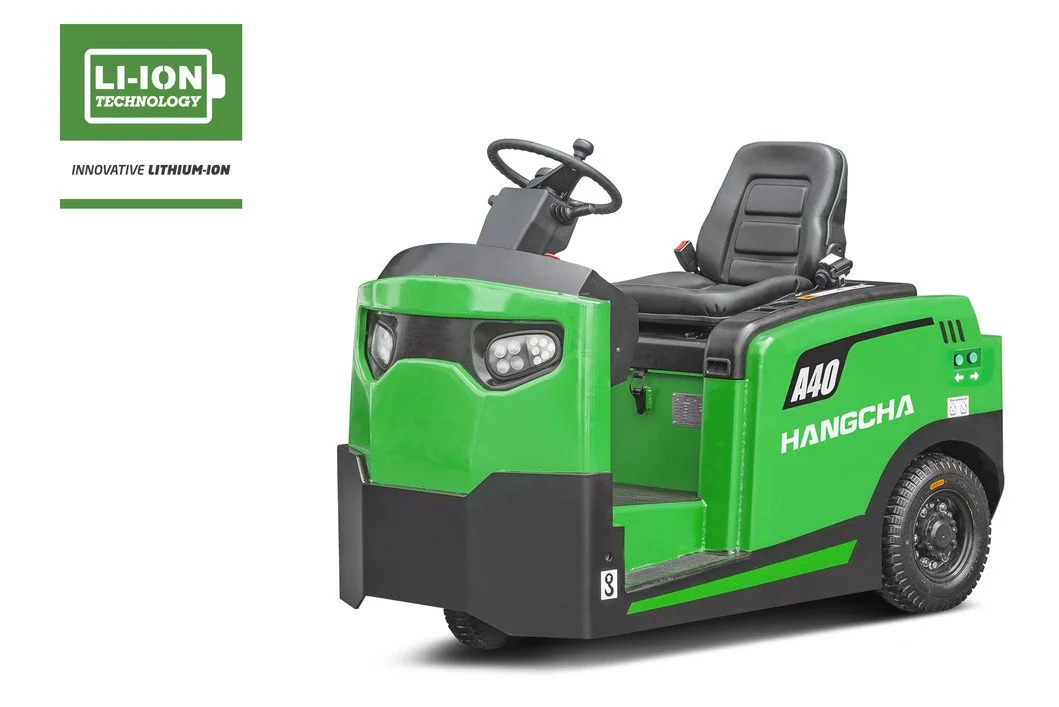
*Image by Hangcha Canada
Class 7: Rough Terrain Forklift Trucks
Class 7 forklifts include telehandlers, straight-mast rough-terrain forklifts, and other heavy-duty outdoor lifting equipment. These lift trucks are built for construction sites, lumber yards, farms, and other challenging environments.
Below are the critical challenges Class 7 operators must be trained to navigate:
Class 7 forklifts operate on extreme or unstable terrain that increases tip-over risks.
Class 7 equipment frequently handles heavy loads that require precise boom or mast control.
Class 7 forklifts often use long booms, which change stability and load capacity at various angles.
Class 7 equipment must operate safely in variable weather conditions, such as mud, snow, and uneven ground.
Because of their demanding operating conditions, Class 7 forklifts require some of the most specialized training available.
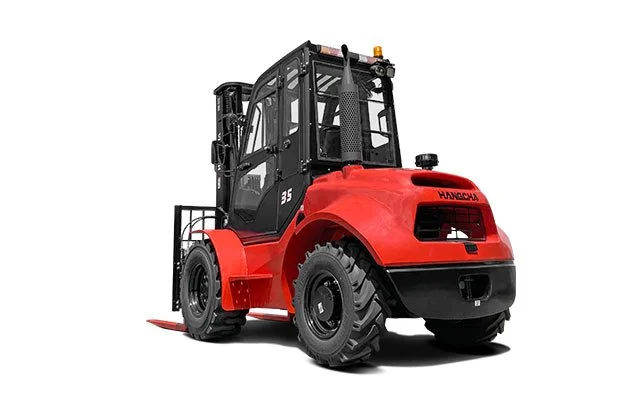
*Image by Hangcha Canada
Understanding the types of forklift certifications helps operators and employers ensure the right training is in place for every piece of equipment used on the job. Each class comes with its own set of hazards, and the right certification ensures safe, confident, and compliant operation.
3. Training Types: What Operators Need to Stay Certified
Forklift operators must complete the appropriate training to stay compliant, safe, and capable of operating their assigned equipment. There are three main types of training: New Operator Training, Refresher Training, and Conversion Training. Each plays a crucial role in developing and maintaining operator competency.
| Training Type | Who It's For | Duration | Cost Range | Validity |
|---|---|---|---|---|
| New Operator Training | Individuals with little to no forklift experience | 1–2 days (longer for multi-class certifications) | $150–$400 per class | 3 years |
| Refresher Training | Certified operators needing re-certification or skill updates | 2–4 hours | $75–$200 | 3 years or after incidents/workplace changes |
| Conversion Training | Certified operators switching to a new forklift class | 1–4 hours | $50–$150 per class | Valid as long as primary certification is valid |
New Operator Training (Novice Training)
New Operator Training is designed for individuals who have little to no experience operating a forklift. This training provides a solid foundation in both theoretical knowledge and practical skills needed to operate a forklift safely.
Below are the key details of what New Operator Training includes:
New Operator Training is intended for individuals with minimal or no forklift experience.
New Operator Training includes classroom theory, hands-on practical instruction, a written test, and a practical evaluation.
New Operator Training can be completed through accredited training schools or employer-arranged programs.
New Operator Training typically takes 1–2 days to complete, with additional time needed for multi-class certifications.
New Operator Training usually costs between $150 and $400 per class, depending on equipment type and region.
New Operator Training certification is generally valid for 3 years under OSHA/CSA standards.
New Operator Training certification can be maintained by completing recommended refresher training and avoiding unsafe practices that require retraining.
This foundational training ensures new operators are fully prepared for safe and effective forklift operation.
Refresher Training (Re-Certification)
Refresher Training ensures certified operators stay up-to-date with safety standards, industry changes, and best practices. It also addresses any unsafe behaviours or incidents that may require additional instruction.
Here are the most important details about Refresher Training:
Refresher Training is designed to keep operator skills sharp and reinforce proper safety practices.
Refresher Training is required every 3 years or sooner if incidents, near-misses, or workplace changes occur.
Refresher Training can be completed through short courses offered by training providers or through on-site programs provided by employers.
Refresher Training typically takes 2–4 hours, including classroom review and a practical evaluation.
Refresher Training usually costs between $75 and $200, depending on the provider.
Refresher Training remains valid when operators attend scheduled sessions and maintain a safe driving record.
Completing refresher training on time helps operators remain compliant and reduces workplace risks.
Conversion Training (When Switching Forklift Classes)
Conversion Training is required when an already certified operator begins using a new class or type of forklift. Because every forklift class operates differently, this additional training ensures the operator can safely and confidently handle the new equipment.
Below are the essential facts about Conversion Training:
Conversion Training is required for certified operators who begin using a new forklift class, such as switching from a Class 1 sit-down truck to a Class 2 reach truck.
Conversion Training includes equipment-specific instruction covering controls, stability principles, load handling, and common hazards.
Conversion Training can be completed through employer-provided training or third-party forklift training schools.
Conversion Training normally takes 1–4 hours, depending on the complexity of the forklift class.
Conversion Training typically costs between $50 and $150 per class.
Conversion Training remains valid as long as the operator’s primary certification is valid.
Conversion Training must be completed for every new forklift type an operator will use to stay compliant.
This targeted training ensures operators are fully prepared to handle any new forklift type safely and effectively.
By understanding these training types and staying current with certification requirements, operators can maintain compliance, improve workplace safety, and operate forklifts with confidence.
4. Final Tips for Choosing the Right Forklift Certification

Selecting the right forklift certification is critical for operator safety, workplace compliance, and overall efficiency. Not all certifications are the same, and taking the time to choose the proper program ensures you are trained for the specific equipment you will operate.
Match Certification to the Forklift Class
It is essential to match your certification to the exact forklift model and class you will be operating.
Consider the following guidelines:
Always ensure your certification corresponds to the specific class of forklift you will operate on the job.
Do not assume a certification for one class automatically allows you to operate a different type of forklift safely or legally.
Obtain conversion training whenever you move to a new class of forklift to remain compliant and confident in your skills.
Properly matching certifications reduces risk and ensures operators can safely handle their assigned equipment.
Keep Records of Training and Certifications
Maintaining thorough records of all certifications, refresher courses, and conversion training is an important part of staying compliant.
Here are some key tips for record-keeping:
Keep a copy of every certification and practical evaluation you complete.
Document all conversion and refresher trainings to show continued compliance.
Store records in an easily accessible location for both personal reference and employer audits.
Accurate record-keeping protects both the operator and employer while simplifying recertification when needed.
Choose Accredited Trainers
Selecting accredited trainers who follow OSHA/CSA standards is vital for proper instruction and valid certification.
Consider these points when choosing a training provider:
Ensure the trainer is recognized and accredited to provide forklift training in your region.
Verify that the program adheres to OSHA or CSA safety standards.
Look for providers who offer hands-on practical training in addition to classroom instruction.
Training with accredited instructors guarantees that your certification is recognized and up to regulatory standards.
Remember the Benefits of Certification
Forklift certification provides more than compliance; it improves safety, efficiency, and career prospects.
Keep the following in mind:
Certified operators are less likely to be involved in workplace accidents or equipment damage.
Certification enhances productivity by ensuring operators are confident and skilled with their equipment.
Having proper certification increases employability and opens opportunities for advanced roles.
By following these tips, you can choose the right forklift certification, maintain compliance, and operate with confidence and safety.
For a complete overview of forklift certification, explore our ultimate guide to forklift certification here.
Stay Safe and Compliant with the Right Forklift Certification

Proper forklift certification is essential for safety, compliance, and efficiency in any workplace that relies on material handling equipment. Because each class of forklift operates differently, operators must be trained and certified specifically for the type of lift truck they will use, whether it’s a sit-down electric rider, a rough terrain telehandler, or a tow tractor.
By understanding the types of forklift certifications, completing the appropriate training, whether new operator, refresher, or conversion, and maintaining accurate records, operators and employers can reduce accidents, improve productivity, and ensure long-term compliance with OSHA and CSA standards.
Invest in the right training today to operate confidently and safely, and contact Forklift Hub for all your forklift certification and training needs.
*Disclaimer
This post is intended for informational purposes only and does not constitute legal or professional advice. Forklift certification requirements may vary by province, employer, and specific job site regulations. Always consult with your employer, local regulatory authorities, or a certified training provider to ensure compliance with current safety standards and legal requirements. ForkliftHub is not responsible for any liability or damages resulting from the use of this information.