Forklift Certification - The Ultimate Guide
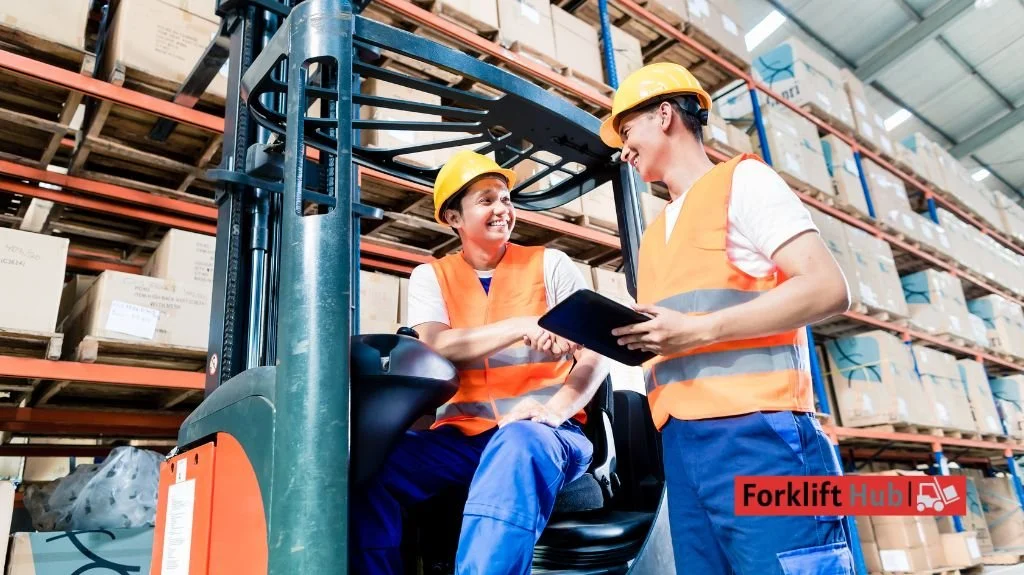
Forklift certification is one of the most important requirements for anyone operating a forklift in a warehouse, construction site, manufacturing facility, or distribution centre.
Despite its importance, forklift certification is often misunderstood. Many people confuse forklift certification with a forklift licence, are unsure where to get certified, or don’t know what type of training is required by law in their province or state. Others want to know how certification affects job opportunities, how long it lasts, and what steps are involved in getting properly trained.
This Forklift Certification Ultimate Guide brings all of that information together in one place. It serves as a central resource that explains how forklift certification works, what training is required, and how to get certified the right way. Each section below summarizes a specific aspect of forklift certification and links to an in-depth article for readers who want more detailed guidance.
Use the table of contents to jump directly to the topic you need.
Ready to get forklift certified the right way? Contact ForkliftHub today to get connected with trusted forklift training and certification options that meet legal requirements and help you move forward with confidence.
Forklift Certification Guide
1. Forklift License vs Forklift Certification
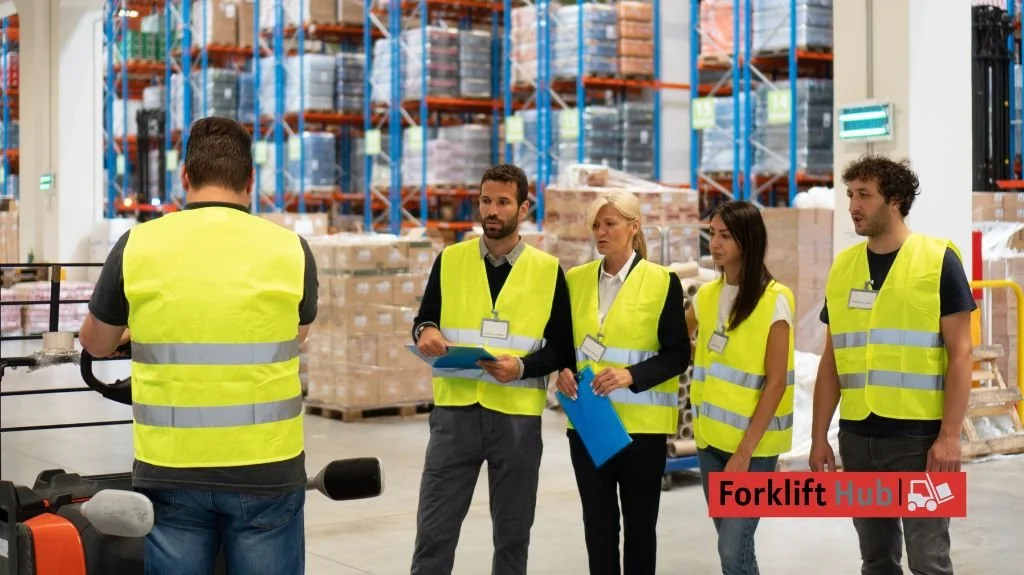
Forklift Licence vs Forklift Certification is a common source of confusion for new operators and employers. This section clarifies the key differences and explains what is actually required by law.
Key points covered include:
There is no government-issued forklift “licence” in Canada or the U.S.
Forklift certification is the official requirement and includes classroom training, hands-on evaluation, and employer approval.
The term “forklift licence” is often used informally but does not represent a legal credential.
Proper forklift certification helps employers meet safety regulations and reduce workplace risk.
This article clearly explains what forklift certification really means and why it matters. Read the full guide on Forklift Licence vs Forklift Certification to avoid common misunderstandings and ensure compliance.
2. How To Get A Forklift Certification
Getting your forklift certification is a crucial step for anyone looking to operate a forklift safely and legally. This article breaks down the process so you know exactly what to expect and how to get certified efficiently.
Key points covered include:
Find a training provider: Certification is offered through approved training programs, often available at vocational schools, union programs, or private training companies.
Complete classroom and hands-on training: You’ll learn about forklift operation, safety regulations, load handling, and workplace hazards. Practical training ensures you can operate the equipment safely in real-world conditions.
Pass a practical evaluation: Certification requires demonstrating your skills on the forklift. This evaluation ensures you understand all safety protocols and can handle equipment confidently.
Receive your certificate: Once you successfully complete training and evaluation, you’ll receive a forklift certification card recognized by employers across Canada and the U.S.
Stay current: Forklift certification is valid for a limited time, so periodic refresher training is required to maintain compliance.
For a step-by-step guide on getting certified, including tips for choosing the right training provider, read the full article on How To Get A Forklift Certification.
3. Where to Get a Forklift Certification Near Me
Finding the right place to get your forklift certification can make the process easier, faster, and more effective. This article helps you locate trusted training providers close to your location so you can get certified without hassle.
Key points covered include:
Local training centers: Many vocational schools, union programs, and private training companies offer forklift certification programs in major cities and smaller communities.
Employer programs: Some employers provide on-site training or partner with nearby providers to certify their staff. This can save time and reduce costs.
Online directories and resources: Websites and industry associations can help you search for certified providers by city, province, or state.
Factors to consider: When choosing a training provider, check their reputation, the types of forklifts they train on, class sizes, and whether they offer hands-on evaluation.
Scheduling flexibility: Look for programs that offer flexible dates or accelerated courses if you need certification quickly.
To find certified training providers near you and ensure you get your forklift certification efficiently, read the full article on Where to Get a Forklift Certification Near Me.
4. The Types Of Forklift Certifications
Forklift certification is not one-size-fits-all. Operators must be trained and certified on the specific class of forklift they will be operating. There are seven recognized classes of forklifts, and each class has different operating characteristics, hazards, and training requirements. This article explains the main forklift classes and helps you identify which certification applies to your job.
Key points covered include:
Class I – Electric Motor Rider Trucks: Common sit-down forklifts used in warehouses and distribution centres.
Class II – Electric Motor Narrow Aisle Trucks: Includes reach trucks and order pickers designed for tight warehouse aisles and high racking.
Class III – Electric Motor Hand or Hand-Rider Trucks: Pallet jacks and walk-behind forklifts used for short-distance material movement.
Class IV – Internal Combustion Engine Cushion Tire Trucks: Gas or propane forklifts are typically used indoors on smooth surfaces.
Class V – Internal Combustion Engine Pneumatic Tire Trucks: Forklifts designed for outdoor use on rough or uneven terrain.
Class VI & VII – Tow Tractors and Rough Terrain Forklifts: Specialized equipment used in manufacturing yards, construction sites, and outdoor environments.
Legal compliance: Operators must be certified for the exact class of forklift they use to meet provincial, state, and employer safety regulations.
Understanding forklift classes ensures you receive the correct training and operate equipment safely and legally. For a detailed breakdown of all seven classes and guidance on which certification you need, read the full article on The Types of Forklift Certifications.
5. Where to Get a Forklift License?
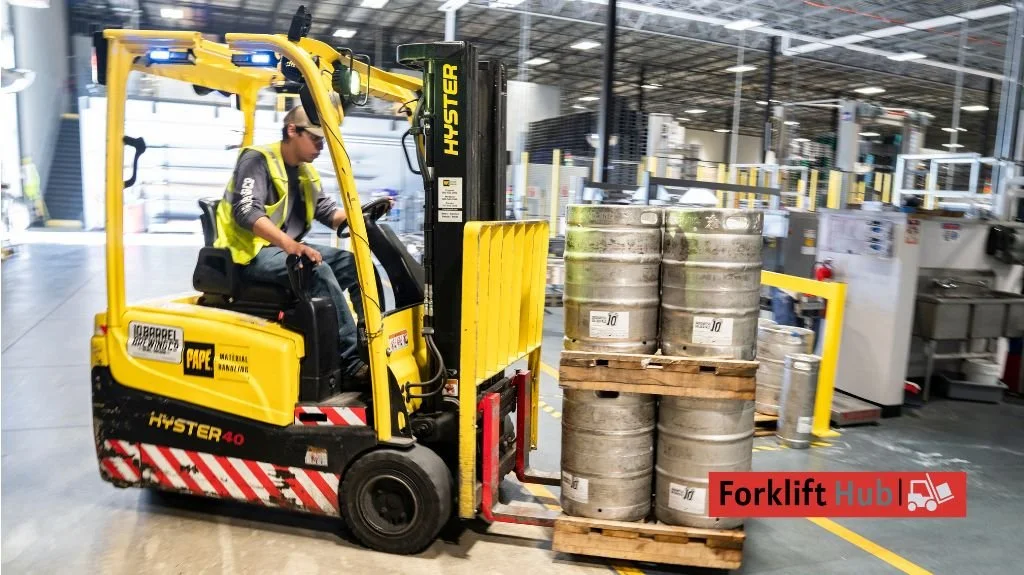
Many people search for a “forklift license,” but in reality, what’s required is forklift certification. This article clarifies where you can get properly certified and how to navigate local options.
Key points covered include:
Understanding the terminology: A forklift “license” is not legally issued in Canada or the U.S. Certification through a recognized training program is what employers and regulators require.
Local training providers: Vocational schools, private training companies, unions, and some employers offer certified forklift programs in most regions.
On-site employer training: Many workplaces arrange on-site certification, allowing employees to train and test directly at their facility.
Finding approved programs: Check online directories, government websites, or industry associations to find certified providers near you.
Factors to consider: Look for accredited programs that include classroom instruction, hands-on practice, and a practical evaluation. Ensure the training covers the types of forklifts you will operate.
By choosing the right provider, you can get certified efficiently and meet all safety and legal requirements. For more details on where to get your forklift certification and tips on selecting a training program, read the full article on Where to Get a Forklift License?
6. How To Get A Forklift Operator Job
Getting a forklift operator job involves more than just applying online. This article walks readers through the full step-by-step path to starting a forklift career, from understanding the role to finding real job opportunities.
Key points covered include:
Understanding the role: Forklift operators are responsible for loading and unloading materials, organizing inventory, performing safety checks, and operating equipment safely in warehouses, factories, and distribution centres.
Getting certified: Earning forklift certification through an accredited training program is a legal requirement and a key factor employers look for when hiring.
Choosing the right training program: The article explains how to evaluate forklift training providers based on accreditation, hands-on instruction, job placement support, and scheduling flexibility.
Gaining experience: Readers learn practical ways to build experience through entry-level roles, temporary work, or on-the-job training.
Finding job opportunities: The guide outlines how to use job boards, staffing agencies, networking, and a strong resume to secure interviews.
How ForkliftHub helps: ForkliftHub connects job seekers with training programs, career resources, and forklift operator job opportunities in one place.
For a complete roadmap to launching your career, read the full article on How To Get a Forklift Operator Job.
7. What Forklift Training Is Required by Law - Listed by State and Province
Forklift training requirements vary depending on where you live, and understanding the legal obligations is crucial for both operators and employers. This article breaks down the training rules by Canadian province and U.S. state to help you stay compliant and safe.
Key points covered include:
Legal requirement for certification: All provinces and states mandate that forklift operators complete proper training before operating equipment.
Employer responsibilities: Employers must ensure workers are trained, evaluated, and certified for the specific type of forklift they will operate.
Training components: Required training typically includes classroom instruction, hands-on operation, and a practical evaluation.
Province/state variations: While the core requirements are similar, some provinces or states may have additional documentation, refresher training timelines, or specific rules for certain forklift types.
Maintaining compliance: Staying up-to-date with local regulations and refresher courses ensures continued legal operation and workplace safety.
For a detailed breakdown of what forklift training is required in your location and tips on meeting legal obligations, read the full article on What Forklift Training Is Required by Law – Listed by State and Province.
8. Forklift Training - What You Need To Know
Understanding forklift training is essential for both new operators and employers responsible for workplace safety. This article provides a complete overview of what forklift training involves and why it matters.
Key points covered include:
Training components: Effective forklift training combines classroom instruction, hands-on practice, and a practical evaluation to ensure operators can safely handle equipment.
Safety and compliance: Proper training reduces accidents, protects employees, and ensures compliance with provincial, state, and federal regulations.
Types of forklifts: Training must match the specific type of forklift you will operate, including sit-down forklifts, reach trucks, order pickers, or rough terrain forklifts.
Refresher training: Operators are required to complete refresher courses periodically or after incidents, unsafe operation, or when workplace conditions change.
Choosing a training provider: Look for accredited programs with experienced instructors, small class sizes, and hands-on opportunities to gain real-world experience.
By understanding the full scope of forklift training, operators can build confidence and employers can maintain a safer, more efficient workplace. For a detailed guide on forklift training essentials, read the full article on Forklift Training – What You Need To Know.
Get Certified and Start Your Forklift Career Today

Forklift certification is the key to operating safely, staying compliant with the law, and opening doors to new job opportunities. Whether you’re a new operator, an experienced worker upgrading your skills, or an employer ensuring workplace safety, proper training and certification are essential.
Take the next step:
ForkliftHub connects you with trusted training providers and programs that meet all legal requirements. Don’t wait. Ensure your certification is up to date, gain hands-on experience, and advance your career with confidence.
Contact ForkliftHub today to find the right forklift certification program near you and get started on the path to becoming a qualified, safety-ready operator.
*Disclaimer
This post is intended for informational purposes only and does not constitute legal or professional advice. Forklift certification requirements may vary by province, employer, and specific job site regulations. Always consult with your employer, local regulatory authorities, or a certified training provider to ensure compliance with current safety standards and legal requirements. ForkliftHub is not responsible for any liability or damages resulting from the use of this information.